GSG Impact Summit 2027
2nd March 2027 | 09:00 CET | The Hague, the Netherlands



Impact Accounting Pilot in Colombia
In a context shaped by interconnected crises including climate change, biodiversity loss, rising social inequalities, and increasing regulatory pressure - it is becoming increasingly clear that business management models based solely on financial indicators fail to adequately reflect the real costs and benefits borne by society. Investors, financial institutions, regulators, and multilateral organisations, among other strategic stakeholders, are increasingly demanding information that enables them to understand not only the economic performance of organisations, but also the social and environmental value they create or destroy across their operations and value chains.
Impact accounting therefore emerges as a necessary evolution, enabling organisations to identify, measure, and monetise the effects they generate on human wellbeing and natural capital, and to integrate these dimensions into business and investment decisionmaking. In this context, global initiatives such as those led by the International Foundation for Valuing Impacts (IFVI) - now under Capitals Coalition’s Impact Valuation Standards Board (IVSB) - aim to lay the foundations for impact accounting systems that support more informed and responsible decisions.
It is within this context that the Impact Accounting Pilot in Colombia was developed, as an applied, decision-oriented exercise designed to generate practical evidence on the feasibility and strategic usefulness of these methodologies within the Colombian business context.
Publications
Insights
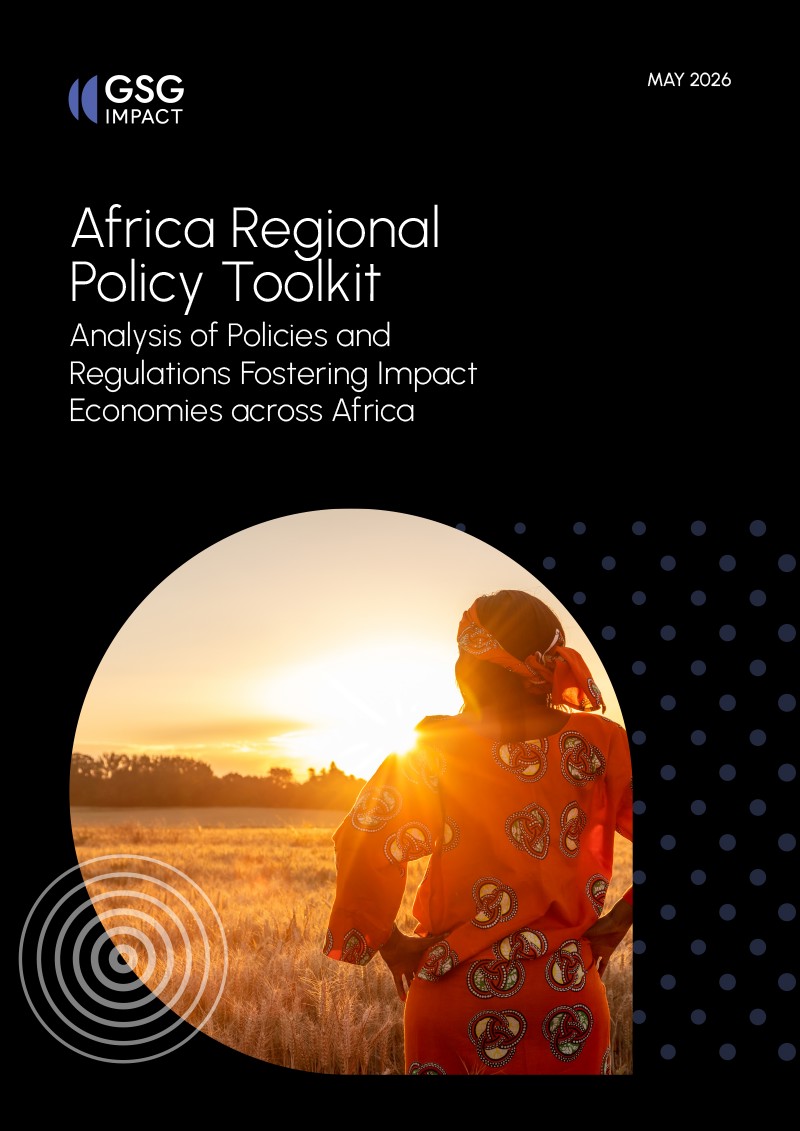
Analysis of Policies and Regulations Fostering Impact Economies across Africa
Since the establishment of the Impact Taskforce (ITF) in 2021, under the auspices of the UK G7 Presidency, in our landmark Time to Deliver report we called for systemic change in investment decision-making to ensure that impact is taken into account in every business and investment decision as a “third lens” alongside risk and return, to accelerate
the volume and effectiveness of private capital seeking to have a positive social and environmental impact.
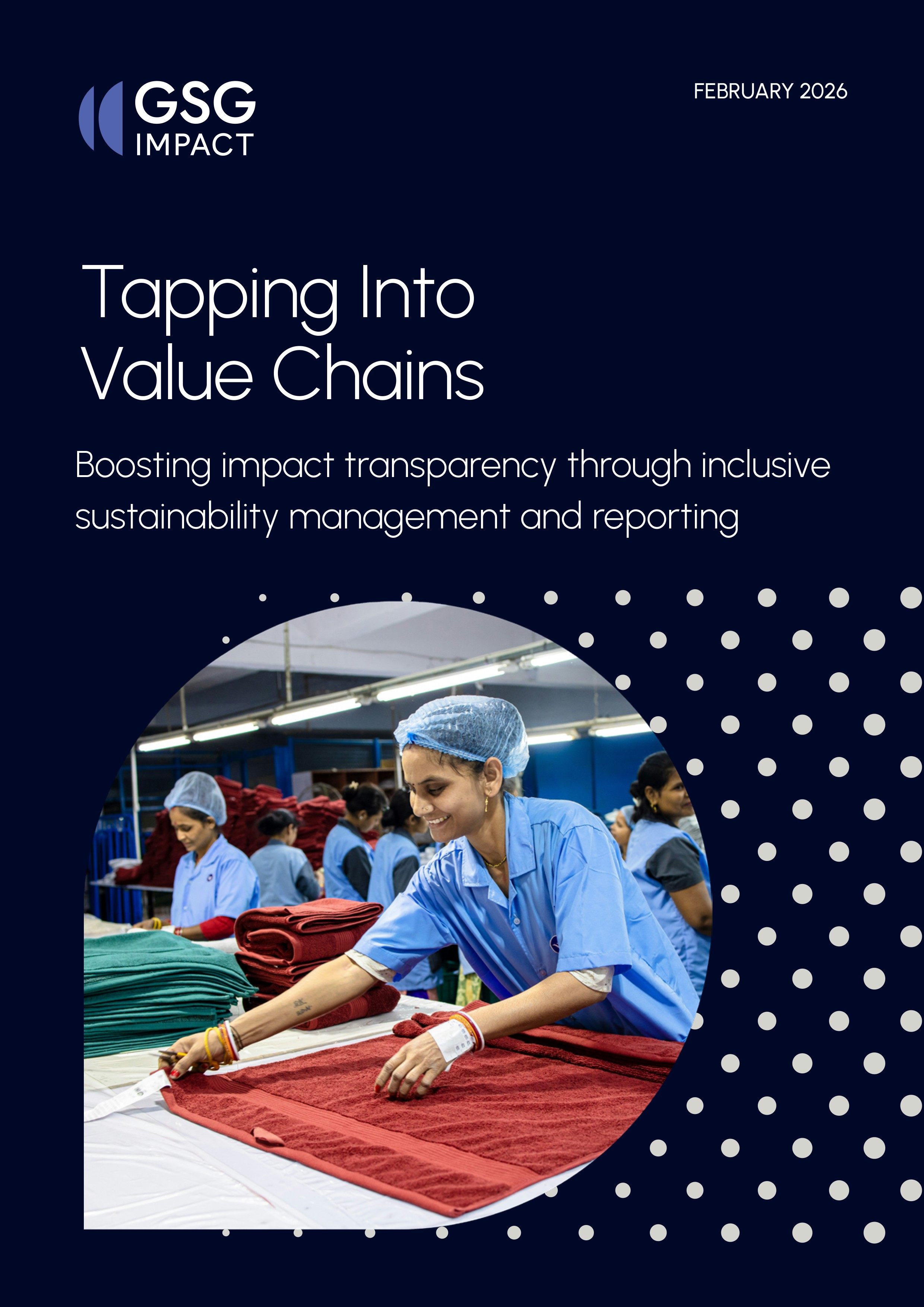
Sustainability management and reporting, understood as the processes by which companies identify, measure, monitor, and disclose their material environmental, social, and governance risks, opportunities, and impacts, has become increasingly essential to how businesses build competitiveness, resilience, and trust in today’s economy. At the same time, sustainability management and reporting are a critical foundation for system-level impact transparency, particularly when adopted consistently across value chains. Yet for most small and medium enterprises (SMEs)—especially in emerging markets and developing economies (EMDEs)—the business case remains unclear, and the pathway to implementation often feels out of reach. Limited resources, capacity and technical know-how, combined with emerging sustainability-related reporting requirements designed primarily for large corporations, make it difficult for SMEs to engage meaningfully.



No Content Set
Exception:
Website.Models.ViewModels.Blocks.SiteBlocks.CookiePolicySiteBlockVm